
What's inside your bottle matters, so does the bottle itself
At AOR, we think carefully about what goes into our supplements. We apply the same thinking to the containers they come to you in.
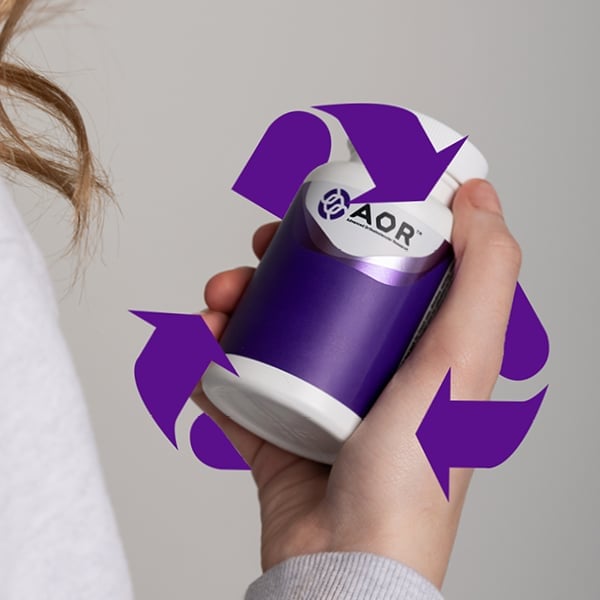
Our bottles are made with post-consumer recycled (PCR) plastic
The bottles used for many AOR products are made with food-safe post consumer recycled (PCR) plastic. This material is sourced from plastic items that consumers like you have already used and recycled, such as bottles, containers, and jugs.
How it works
Recycle
You recycle a plastic bottle or container at your curb or depot.
Reuse
It gets collected, sorted, washed, and broken down into small resin pellets.
Repurpose
Those pellets are melted and moulded into new packaging. This includes the bottle holding your AOR supplements.
This process gives plastic a second life and helps reduce reliance on new (virgin) plastic, which is derived from non-renewable fossil fuels.
Why PCR Plastic?
Using PCR plastic is one practical step AOR takes as part of a broader commitment to responsible packaging.
Uses Existing Materials
PCR plastic is made from items consumers have already recycled, so the material has already done its job once before.
Reduces New Plastic Need
Virgin plastic is produced from petroleum. Using recycled content reduces how much new plastic needs to be manufactured.
Food Safe + Secure
PCR plastic meets the same performance standards for protection and durability as conventional plastic; your product is just as safe and secure.
Supports Canada's Recycling
Consumer recycling habits generate the material supply that makes PCR possible. Choosing PCR packaging helps create demand for that supply.
What to do with your AOR bottle when it's empty
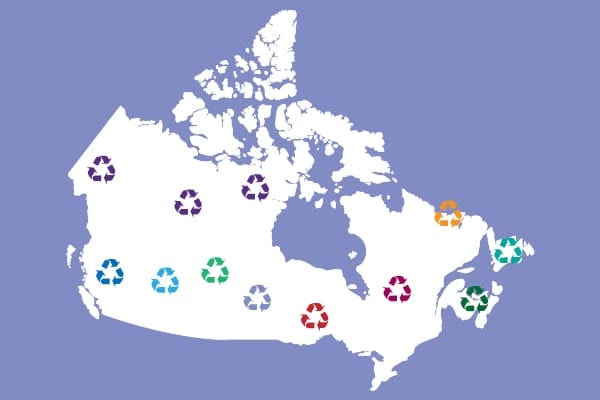
Recycling rules vary across Canada. What’s accepted curbside in Calgary may differ from what’s collected in Vancouver, Halifax, or Winnipeg. Below is general guidance to help you dispose of your AOR packaging responsibly.
Bottle (Plastic)
- Check the resin code on the bottom of the bottle (typically a number inside a triangle symbol). HDPE (#2) and PET (#1) are the most widely accepted plastics in Canadian municipal recycling programs.
- If your municipality accepts the resin type, empty the bottle, replace the cap, and place it in your recycling bin.
- Check your local municipality's website to confirm what plastics are accepted in your area.
Cap / Closure
- Plastic caps are often made from polypropylene (PP, #5). Many Canadian municipalities now accept PP caps when left on the bottle.
- Leave the cap on the bottle before placing it in your recycling bin, this is increasingly the recommended practice in Canadian programs.
- When in doubt, check your local guidelines to confirm.
Label
- Most pressure-sensitive labels are designed to separate from the bottle during the recycling washing process. You do not need to remove the label before recycling.
Carton / Secondary packaging (where applicable)
- Cardboard and paper cartons are accepted in most Canadian municipal recycling programs.
- Flatten the carton before placing in your recycling bin.
Recycling rules vary by municipality
Canada does not have a single national recycling standard. Accepted materials, sorting requirements, and processing capabilities differ by province and municipality. We encourage you to check your local program for the most accurate guidance.
For questions about packaging on a specific AOR product, contact our Customer Service team. For the most current recycling guidance in your area, visit your municipality’s waste management website.
Page last reviewed: May 2026. AOR commits to reviewing this page when packaging specifications change or when Canadian recycling regulations are updated.
